Revitalize Your Property With Skilled Fence Installation
Upgrading a property with expert fence installation is a pragmatic choice for residential homeowners. Fences are designed to boost security and privacy but also contribute to the overall aesthetic appeal of a home. With numerous styles and materials to choose from, selecting the right option can be intimidating. Understanding the benefits and processes involved can make this project more manageable. What elements should one evaluate to confirm the investment is a sound one?
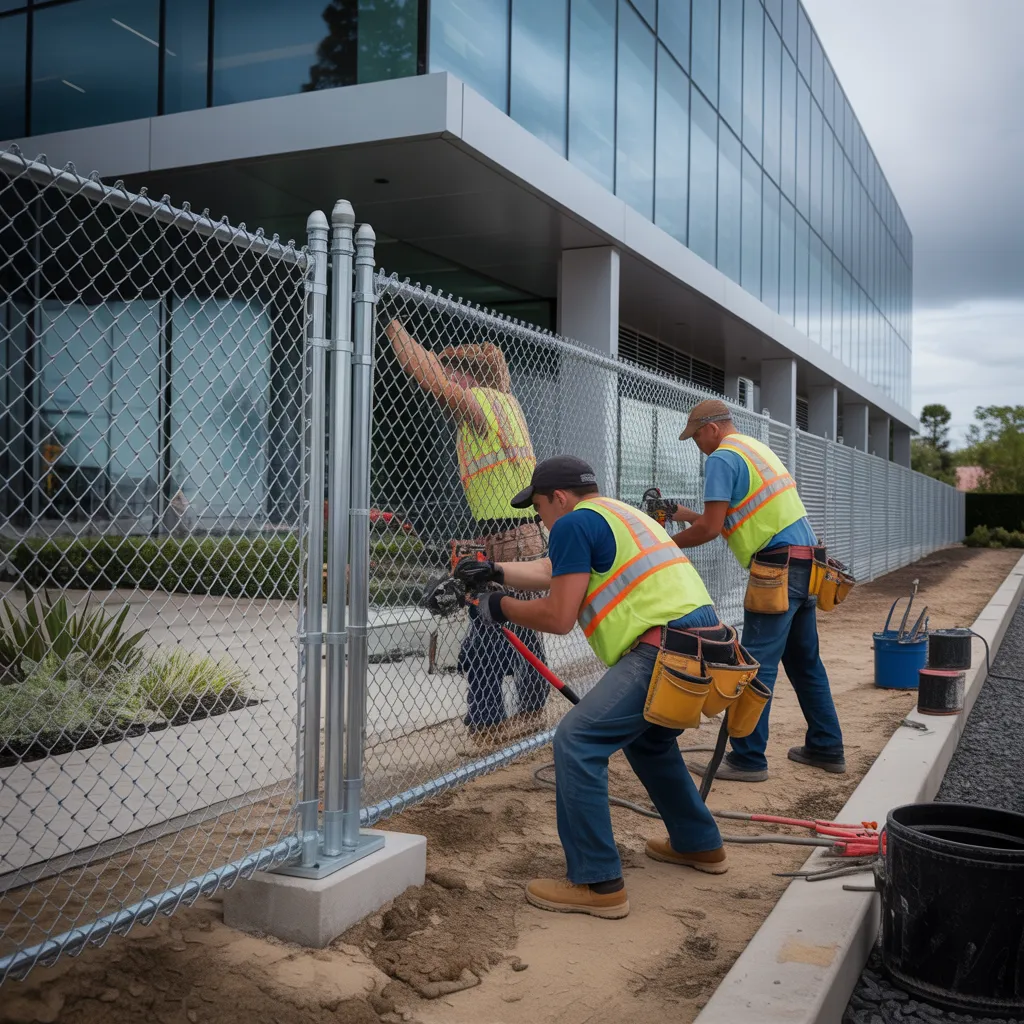
Why Should You Invest in a Professional Fence for Security and Aesthetics?
When homeowners look to upgrade their property, choosing a professional fencing solution serves both security and aesthetic purposes. A professionally installed fence serves as a strong deterrent, discouraging trespassers and offering reassurance. It defines a distinct perimeter, keeping children and pets safe while increasing privacy.
Beyond security, the use of materials and design can substantially boost a property's curb appeal. A professionally installed fence complements the home's architectural style, forming a unified appearance that enhances the property's appearance. High-quality materials and expert craftsmanship ensure lasting strength, reducing future maintenance expenses.
Furthermore, a fence can increase property value, making it a strategic investment. Prospective buyers often view well-defined outdoor spaces as attractive features, which can lead to more rapid sales and higher offers. All things considered, a quality fence installation not only improves safety but also transforms the overall appearance of a property, making it a valuable investment for property owners.
Trending Fencing Styles to Enhance Your Curb Appeal
When thinking about fence installation, various styles can greatly improve a property's visual appeal. Traditional wooden fences provide timeless elegance, while refined vinyl alternatives ensure longevity and easy care. For a contemporary look, contemporary metal styles offer both elegance and durability, suiting a variety of design preferences.
Classic Wood Fence Styles
Traditional wooden fences serve as a perennial favorite for homeowners who want to boost their property's aesthetic value. Their organic look suits a wide range of architectural designs, spanning traditional and modern influences. Available in numerous designs, such as picket, board-on-board, and shadowbox, wooden fencing can be adapted to match individual styles and landscape designs. The natural warmth of wood brings a rustic charm that can soften the look of any property, fostering a warm and welcoming setting. Furthermore, these fences offer seclusion without sacrificing airflow and sunlight. With proper maintenance, including staining and sealing, wooden fences can last for years, cementing their status as a worthwhile investment. Ultimately, they serve as both a functional boundary and a visually appealing element that enhances the general aesthetic of a property.
Premium Vinyl Alternatives
With homeowners continually searching for upkeep-free alternatives that still deliver elegance, elegant vinyl fence options have emerged as a popular choice to elevate the look of any property. These fencing options come in a wide range of styles, from traditional picket arrangements to modern privacy screens, enabling homeowners to complement their home's style with ease. Vinyl fences resist fading, warping, and corrosion, guaranteeing lasting strength and enduring appeal. With an array of colors and textures, they are capable of imitating wood's warmth or delivering a sleek, modern look. Additionally, their smooth surfaces are easy to clean, making them an ideal fit for those with demanding schedules. By selecting refined vinyl fence solutions, homeowners are able to enjoy a sophisticated aesthetic alongside the perks of easy care and long-lasting strength.
Innovative Metal Designs
Horizontal panels, geometric configurations, and blended materials have become popular choices, generating visual appeal and a contemporary aesthetic. Furthermore, metal fencing can serve practical purposes, such as offering security while maintaining style. Many homeowners opt for decorative elements, like laser-cut motifs, to add a unique touch. In summary, today's metal fencing not only elevates visual attractiveness but also contributes to a property's value and longevity.
Selecting the Best Fence Material for Your Requirements
Choosing the right fencing material is crucial for both practicality and visual appeal. Each option, such as wood, vinyl, and metal, present specific qualities that address varying requirements and tastes. Recognizing these advantages enables homeowners to make educated choices for their fence installation projects.
Advantages of Wood Fencing
Wood fences provide a classic aesthetic that enhances the charm of any property while delivering many useful benefits. One of its primary advantages is versatility; timber can be tailored in a variety of styles, sizes, and finishes to suit different architectural designs. In addition, wood functions as an effective insulator, contributing to noise reduction and increased privacy. It is also biodegradable, making it an environmentally friendly choice compared to synthetic materials. Properly maintained wood fences can last many years, delivering resilience as well as beauty. Beyond that, wood panels are straightforward to repair or renew, providing a cost-effective solution for property owners. Ultimately, wood fencing not only beautifies a property but also serves functional purposes, making it a top selection for countless property owners.
The Durability of Vinyl Fencing
Vinyl fencing is recognized as a durable alternative to traditional wood options. Celebrated for its ability to resist decay, rot, and insect damage, vinyl provides long-lasting protection without the need for regular maintenance. In contrast to wood, which tends to warp and splinter, vinyl retains its structural durability and attractive appearance even under harsh climate conditions. The material additionally offers UV resistance, protecting against sun-induced fading and discoloration. Additionally, vinyl fences come in a variety of styles and colors, allowing homeowners to choose designs that complement their property. While initial costs may be higher than wood, the lasting performance and reduced maintenance of vinyl fencing render it an economical decision in the long term. Ultimately, vinyl fencing serves as a dependable and durable option for enhancing residential properties.
Metal Options Explained
When considering fencing solutions, metal materials such as aluminum and steel provide durable solutions suited to a range of requirements. Aluminum is a lightweight material that resists corrosion and needs minimal care, making it a perfect choice for home installations. It provides an aesthetically pleasing option that complements various architectural styles. Conversely, steel is renowned for its robustness and lasting quality, making it suitable for security-focused installations. It endures severe weather conditions and physical force, providing enduring protection. Nevertheless, steel might need periodic upkeep to avoid corrosion. In the end, the decision between aluminum and steel depends on elements like cost, preferred aesthetics, and particular functional needs. Understanding these distinctions can greatly enhance property value while meeting personal preferences.
Top 5 Reasons to Choose Professional Fence Installation
Although many homeowners might think about tackling fence installation themselves, selecting professional installation delivers notable advantages. First, skilled installers offer knowledge and experience, ensuring the fence is set up properly and effectively. Furthermore, they frequently utilize superior materials and tools, delivering a sturdy and attractive finished product. Moreover, professional installation can save homeowners time, allowing them to focus on other priorities rather than maneuvering through a complex project. In addition, experts can provide valuable advice on design and placement, tailoring the fence to meet specific needs and local regulations. Lastly, numerous professional companies provide warranties, offering reassurance about the durability and craftsmanship of the installation. In summary, choosing professional fence installation not only boosts property value but also ensures a stress-free experience for the homeowner.
What to Expect During Fence Installation
Anticipating the fence installation process enables homeowners to anticipate the transformation of their outdoor space. Commonly, the process commences with an review of the property, where professionals survey the area and go over design options. Next, homeowners can anticipate the outlining of property boundaries, guaranteeing compliance with municipal guidelines and neighboring property agreements.
Once preparations are complete, the start now crew of installers will commence digging post holes and fixing the fence panels or boards. This stage may involve concrete for added stability. Residents should anticipate some noise and disruption throughout this stage, as various tools and machinery will be operating.
Ultimately, the team will carry out a comprehensive check to confirm that all elements are correctly positioned and fastened. After the installation has been completed, homeowners will be provided with instructions regarding any essential care considerations. Altogether, understanding this process promotes a more seamless experience and increases homeowner satisfaction with the recently completed fence.
Tips for Caring for Your New Fence
Following the successful completion of a new fence installation, proper care becomes essential to preserve its lifespan and attractive appearance. Consistent upkeep is essential, starting with periodic inspections for signs of damage, like deteriorating wood or oxidized metal. Rinsing the fence at least one time per year helps remove dirt and debris, maintaining its pleasing appearance. When it comes to wood fences, coating the surface with a protective finish every several years helps guard against water damage and sun deterioration. Metal fencing structures may require a layer of anti-corrosion paint to prevent rust and deterioration. Furthermore, cutting back plants that grow near the fence can prevent pests and decay. It remains critical to resolve problems in a timely manner, because overlooking issues can cause greater damage in the future. By adhering to these maintenance guidelines, homeowners can enjoy their new fence for many years while upholding its quality and appeal.
Working Alongside Fence Installation Specialists
When homeowners opt to upgrade their property with a new fence, partnering with knowledgeable installation specialists can greatly ease the process. These experts bring valuable knowledge about materials, design options, and local regulations, guaranteeing that the project reflects the homeowner's goals and conforms to zoning regulations.
Before getting started, it's advantageous for residents to clearly communicate their preferences, including the preferred purpose, style, and height of the fence installation. Expert contractors can then deliver personalized suggestions, helping to steer clear of frequent errors.
Additionally, arranging a consultation enables an assessment of the location, identifying any foreseeable issues such as rough terrain or established landscaping elements.
Financial Planning for Your Fence Installation Project
Budgeting for a fence installation project requires careful consideration of several elements that can influence the final price. Initially, the type of materials chosen has a major impact; wood, vinyl, and metal all carry distinct price ranges and upkeep requirements. Next, the size and complexity of the property should be evaluated, since expansive or oddly shaped yards often demand extra labor and supplies.
Labor expenses can differ significantly based on regional pricing and the skill level of the installation crew. Homeowners need to account for permits and local zoning ordinances, that may lead to supplementary costs. Additionally, establishing a reserve fund for unforeseen costs is recommended. Through a thorough analysis of these components, homeowners can develop a practical budget that suits their financial situation while guaranteeing the placement of a high-quality fence that improves their property.
Questions We Often Receive
How Much Time Does a Standard Fence Installation Require?
An average fence installation could span anywhere from one day to multiple days, influenced by factors such as the style of fence, the landscape, and the dimensions of the property, as well as weather conditions that can impact the overall schedule.
Can I Put Up a Fence by Myself?
Absolutely, a person can install a fence on their own. That said, it necessitates meticulous planning, appropriate tools, and an understanding of local rules. The outcome depends on the homeowner's capabilities and investment in the project.
What Permits Are Needed for Fence Installation?
Municipal regulations generally require permits for fence installation, varying by municipality. Property owners are advised to contact their municipal zoning department to identify the applicable rules, including height restrictions, property lines, and any homeowners' association guidelines that might be in effect.
Does My Fence Influence My Property Value?
A well-designed fence can boost property value by enhancing curb appeal and offering privacy, while poorly maintained or unattractive fences may detract from it. In general, quality and design significantly impact the overall value perception of a property.
What Should I Look for When Choosing a Dependable Fence Contractor?
To select a trustworthy fencing contractor, one should research reviews, verify credentials, gather multiple bids, and evaluate previous work. Establishing clear dialogue and clarity on the terms will additionally strengthen the decision-making process.